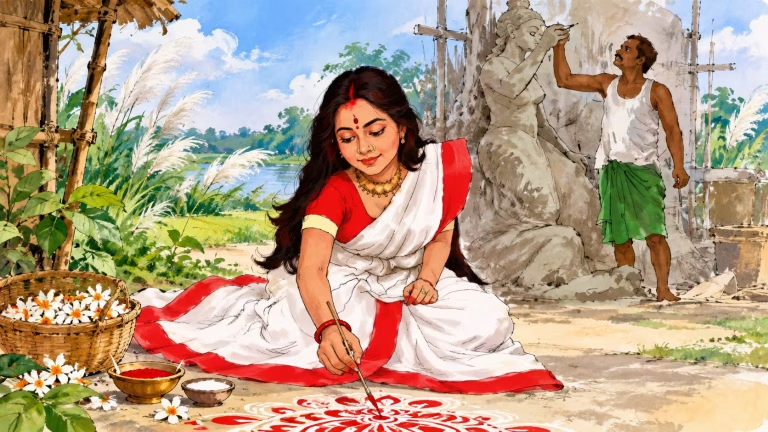
Three things to teach our children about Indian festivals
Taniya Roy Talukdar
Bringing up children away from one’s home country can be challenging at times, especially during the festival season. For parents who grew up in their motherland, festivals bring back memories of being home—surrounded by family and friends while celebrating Holi, Ganesh Chaturthi, Durga Puja, Diwali, and so many others. While knowing about these festivals is important, understanding why they are celebrated can be even more meaningful.
- Festivals are stories that connect us to our roots: Behind every festival is a story—one that many of us grew up hearing, often from our grandparents. Knowing these stories is important, not because the next generation must follow every tradition, but because they are part of their cultural inheritance. Knowing where you come from can help you better understand who you are.
- Traditions are about people, not just rituals: Rituals are an important part of any festival, but perhaps even more important are the people we celebrate with. New clothes, decorations, food and festivities make celebrations special, but at their heart, festivals are about a sense of community and belonging. That’s why we instinctively want to be around family and friends during festivals—to share food, visit loved ones, respect our elders and experience that wonderful feeling of togetherness.
- Carrying the culture forward: The next generation may not celebrate festivals exactly the way their parents or grandparents did, and that’s perfectly understandable. Traditions evolve, especially when you’re growing up thousands of miles away from where your parents grew up. But understanding those traditions well enough to carry forward the ones that hold meaning is an important part of preserving a cultural legacy. Perhaps someday, they will share these stories and traditions with their own children, allowing a little piece of their heritage to continue from one generation to the next.
At the end of the day, it is not about recreating the festivals exactly as we celebrated them growing up. It is about giving our children enough memories, stories and experiences that someday, when they think of these festivals, they too feel a sense of home, belonging and connection to their roots—no matter where in the world they may be.